

 Share to slack
The whole team working
on the product code. Finally.
Engineering got faster, Spring gives the whole team the same speed.
Together. Faster. In perfect synergy.


 MatchingMatching
 Designer

 Developer

 Product Manager
 Matching
The whole team working on the product code. Finally.
Engineering got faster, Spring gives the whole team the same speed.
Together. Faster. In perfect synergy.


Spring is where PMs & designers can open the product locally, work within it, and create a real PR your developers can actually release.
Fully secured, made for teams, from small startups to enterprise.


Describe a change


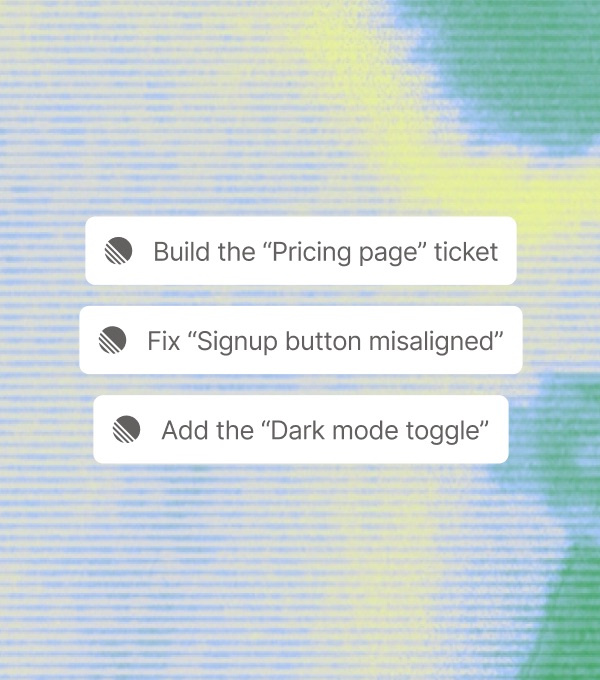
Scanning Linear tickets

Collecting Mixpanel analytics...

Collecting hubspot data...
Reading all your documentation...

Performance evaluations
Layout
Alignment
Gap

Padding


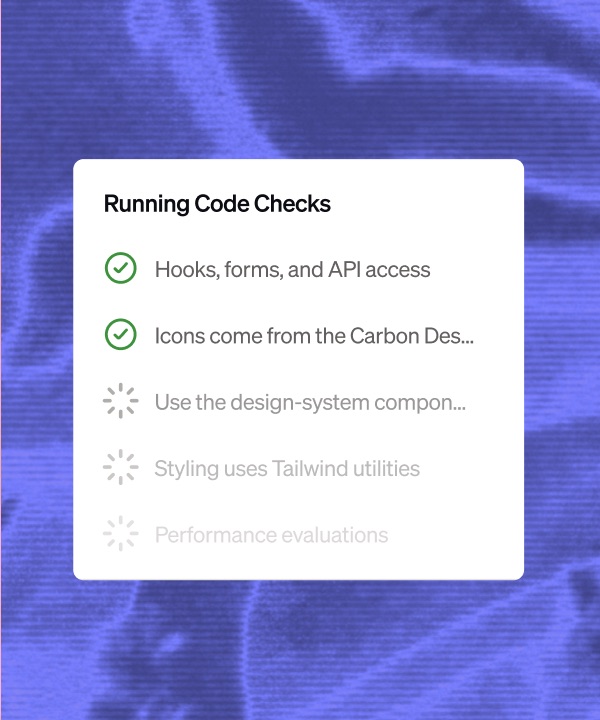
Running Code Checks

Hooks, forms, and API access
Icons come from the Carbon Design System

Use the design-system components
Styling uses Tailwind utilities

Performance evaluations
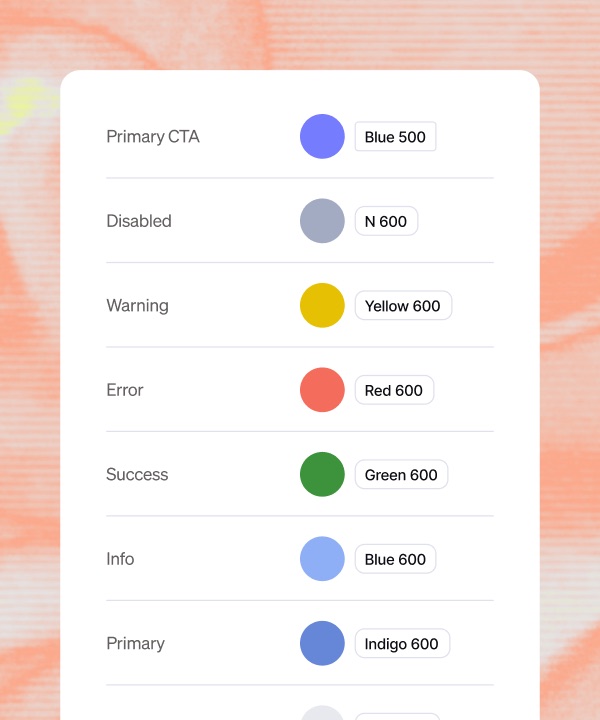
Design System
Primary CTA
Disabled
Warning
Error
Success
Spring is where PMs & designers can open the product locally, work within it, and create a real PR your developers can actually release.
Fully secured, made for teams, from small startups to enterprise.
Design System
Primary CTA
Disabled
Warning
Error
Success
Describe a change
Running Code Checks
Hooks, forms, and API access
Icons come from the Carbon Design System
Use the design-system components
Styling uses Tailwind utilities
Performance evaluations
Scanning Linear tickets
Collecting Mixpanel analytics...
Collecting hubspot data...
Reading all your documentation...
Performance evaluations
Layout
Alignment
Gap
Padding

The full product context.
Already there.
Simply made for
non-coders.
All your favourites tools.
Seamlessly in your workflow.
 Figma


PMs and designers ship PRs.
Devs comment, Spring fixes.

Build together with Spring
00:07:08 min
The speed of AI,
with the power of a team.

Made for your team.
The whole team.
Claude Code made engineering fast. Spring gives product managers and designers the same speed.
For solo-builders
Vibe coding

Builds prototypes that never connect to the real product.

For developers
AI code editors
Makes developers faster, but leaves the rest of the team out.
For product teams


Building on the product codebase itself.
Removing technical barriers so anyone on the team can
ship real code.
The whole team moves together.
Faster. In perfect synergy.
 Before
 With Spring
Made for your team.
The whole team.
For product teams
Building on the product codebase itself.
Removing technical barriers so anyone on the team can ship real code.
For solo-builders
Vibe coding
Builds prototypes that never connect to the real product.
For developers
AI code editors
Makes developers faster, but leaves the rest of the team out.
The whole team moves together.
Faster. In perfect synergy.
With SpringShip faster. Ship more.
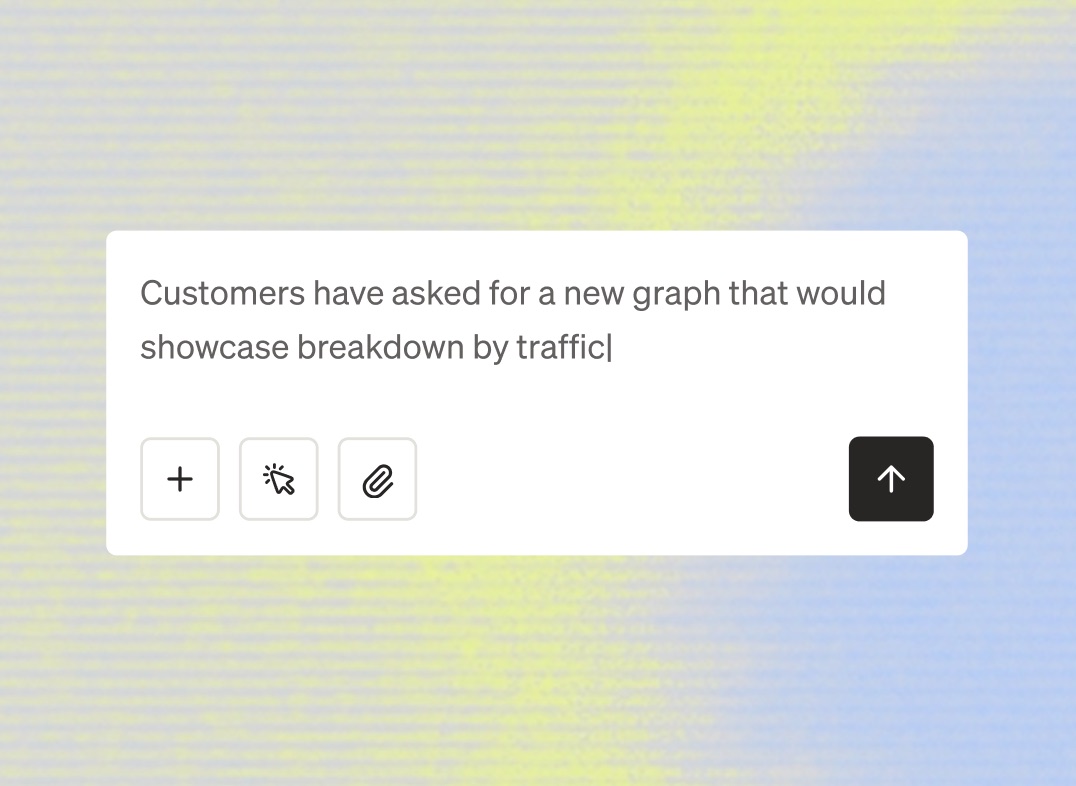
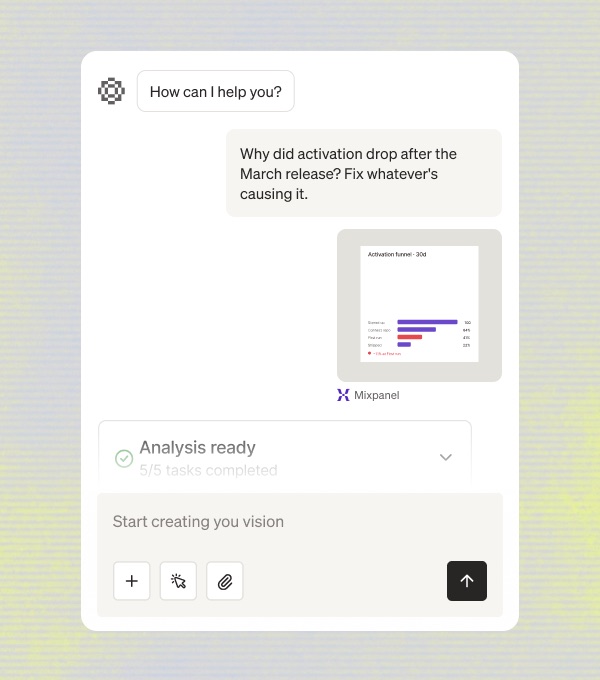
Build the idea. Skip the spec.
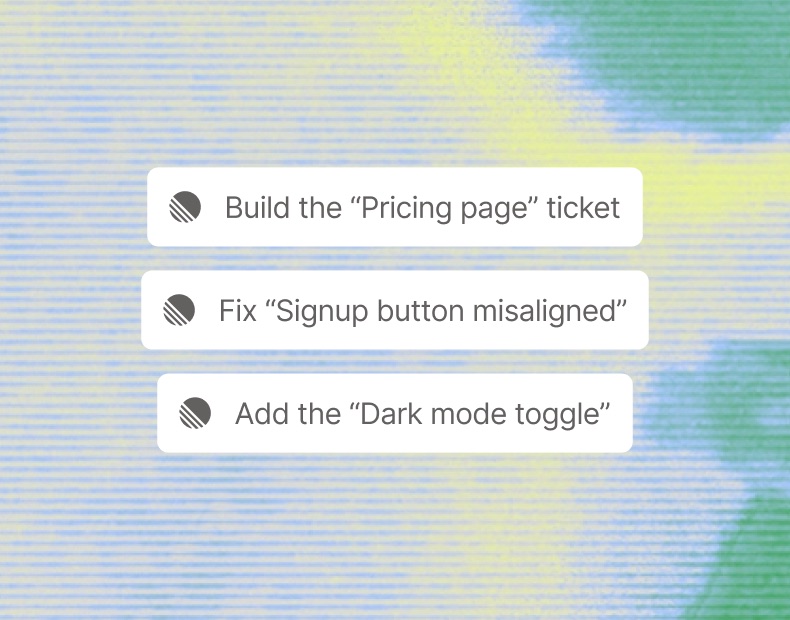
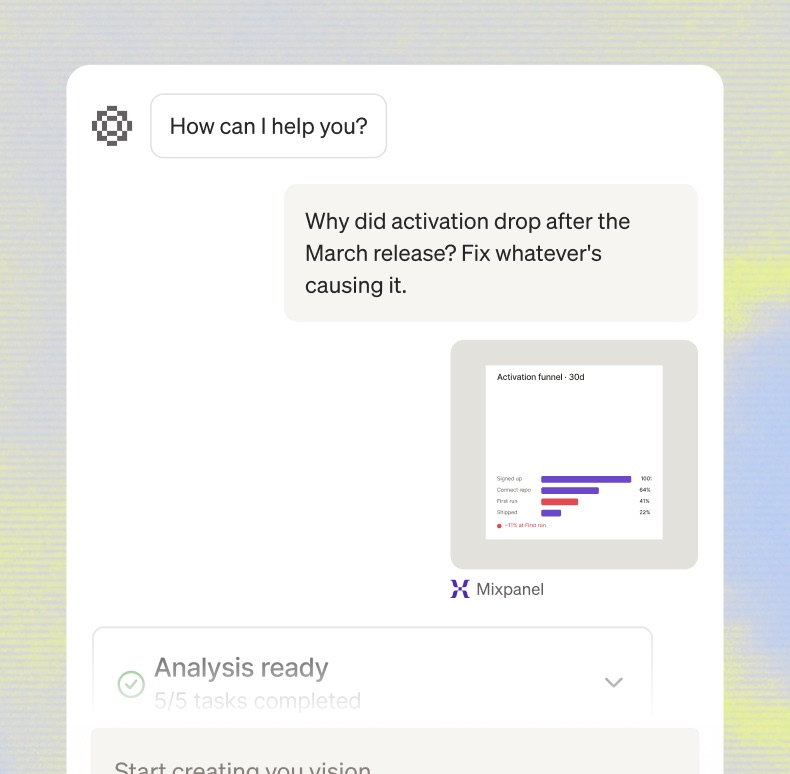
 Product managers
Ship faster. Ship more.
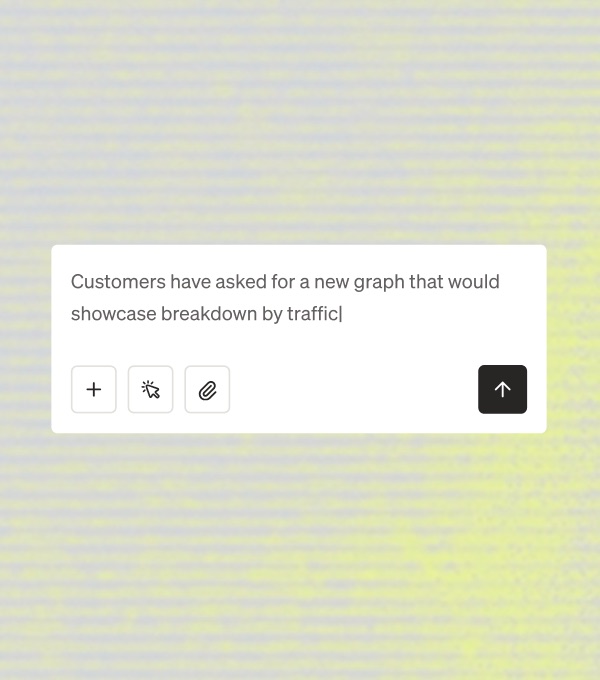
Build the idea. Skip the spec.
 Design team
What you design is what goes live, exactly.
Direct authorship on the real thing, not a copy of it.
R&D team
Time back for the work only you can do.
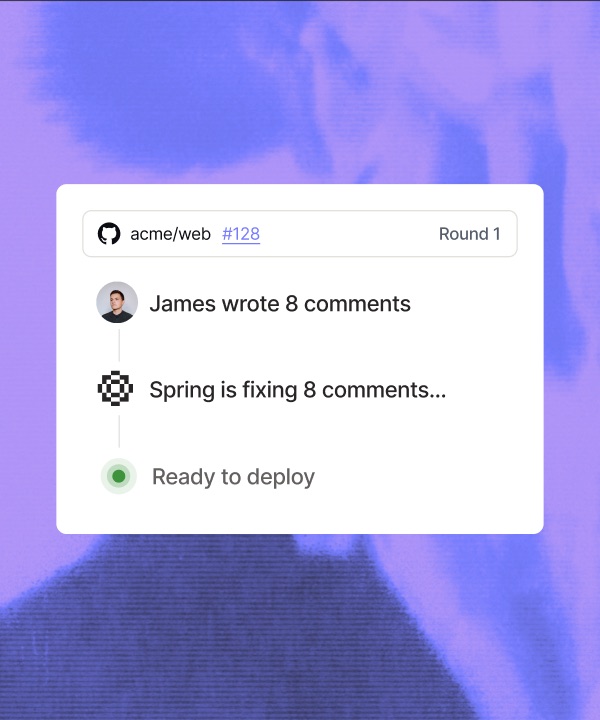
You comment on GitHub, Spring takes it from there.
Spring onboards and supports the non-dev team.
PR made by PMs
PR made by designers
Cloud-free environment
Your source travels directly between your GitHub and your team's devices. Spring's only job is to issue a short-lived GitHub App token. We never see, store, or transmit your code.


FAQs
Spring is for product teams with a real product and a real codebase. Today, PMs and designers work outside the real product. They write PRDs, design in Figma, and hand it off. With Spring, they work on the product itself, and engineers review finished work.
Yes. The Free plan costs $0 and needs no card. It gives you 250 credits a month, about 5 small changes, on one connected repository, with live preview and a pull request for each change. When you're on a roll, Pro is $20 per seat a month. Viewers are free on every plan.
No. Spring runs Claude Code underneath, and your plan's credits cover the AI work. There's no separate AI bill and no key to set up.
A Mac or a Windows computer, and a GitHub account that can see your product's code. Sign up, download Spring, connect GitHub, and pick your product. Spring sets it up and runs it on your computer, so you see the real thing before you change anything.
Ask your engineering lead to add you to the repository. It takes them a minute, and they stay in control of who gets in. Until then, you can book a demo and we'll walk you through Spring on a product like yours.
Sometimes. When you connect GitHub, Spring asks for access to your company's organization. If you're not an owner of that organization, GitHub sends your request to one, and they approve it. After that, engineering stays in command. Every change goes through a branch, a pull request, your CI, and your normal review. Nothing reaches production until engineering approves and merges it.
Your code stays on your team's machines. Spring doesn't keep a hosted copy of your codebase. When you first open Spring, you choose what to share with us. Usage analytics covers which features you use, and may include session recordings. Diagnostics covers error reports, logs, and timings. You can turn either one off, then or later, in Settings → Privacy.
Right on top of it. Spring runs Claude Code underneath and turns it into a workspace the whole product team can use. People who don't code work on the real product. Every change follows your team's rules and goes through your existing review. Your engineers keep their tools, and the rest of the team can finally use them too.
Your change, in a pull request. You work on your actual product, running from your real code, and every change is built from your own components and design system. It isn't a prototype, a generic design, or a link to look at. It's real code in your real product, ready to review and ship.